

2026 Bear Market Analysis: Why Liquidity Mining is the New Hedge for Crypto Volatility
By Expert Crypto Correspondent
As we navigate the complexities of the 2026 financial landscape, a deep crypto market analysis reveals a paradigm shift in how investors approach downward trends. Unlike the panic-selling cycles of the past decade, the current bear market is characterized by sophisticated strategies designed to extract value from stagnation. At the forefront of this evolution is liquidity mining, a practice that has transitioned from a high-risk experimental endeavor into a cornerstone of modern crypto investment hedging.
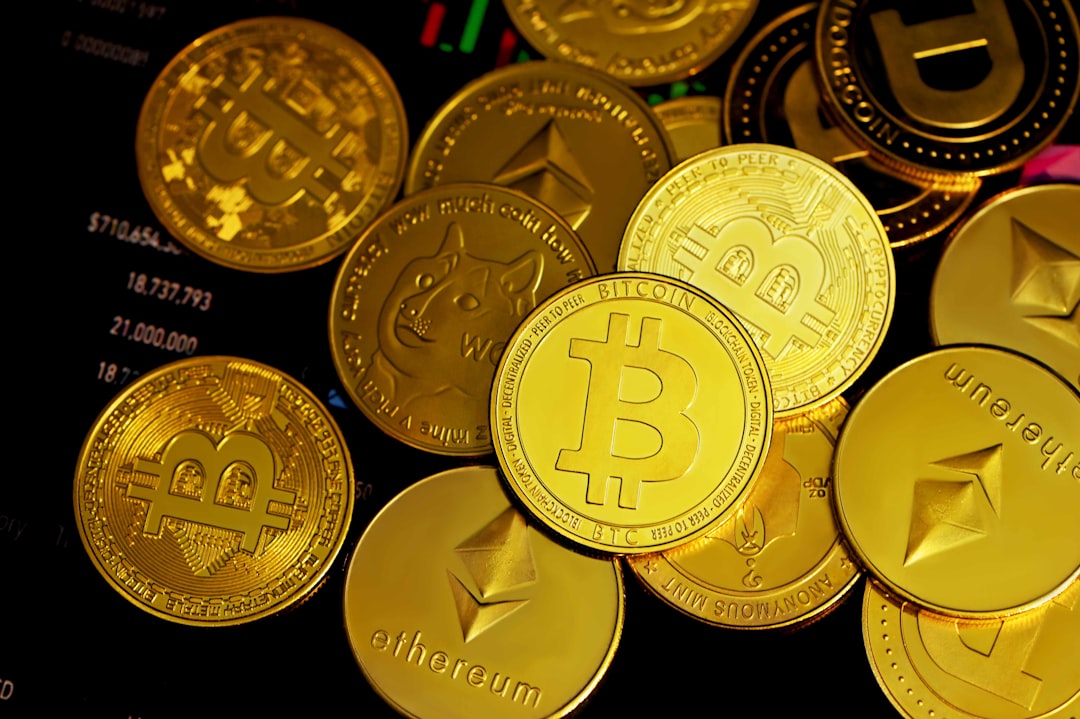
The Maturation of Digital Assets in a Regulated Era
The 2026 market downturn is the first to occur under a comprehensive framework of global crypto regulations. While these rules have dampened the "wild west" speculative fervor, they have provided the institutional clarity necessary for blockchain technology to integrate with traditional finance. Today, digital assets are no longer viewed merely as speculative tokens but as functional components of a global DeFi infrastructure.
Investors have moved away from high-frequency cryptocurrency trading, which often proves disastrous during low-volume bear cycles. Instead, the focus has shifted toward decentralized finance protocols that offer sustainable returns through the provision of liquidity. This shift is supported by the massive growth in stablecoin adoption, allowing participants to park their capital in non-volatile assets while still earning a share of protocol fees.
"The 2026 bear market isn't about waiting for the next pump; it's about optimizing the capital you already hold through automated market makers and robust tokenomics." — Senior Analyst, Global DeFi Research
Liquidity Mining vs. Traditional Yield Farming
While often used interchangeably, the 2026 landscape has drawn a clear line between yield farming and liquidity mining. The former often involves complex, multi-step processes to chase the highest APY, whereas the latter focuses on the core utility of providing depth to decentralized exchanges (DEXs).
Why Liquidity Mining Works as a Hedge
- Fee Accumulation: Even when prices are flat or trending slightly downward, cryptocurrency trading volume persists. Liquidity providers earn a percentage of every swap.
- Token Incentives: Many protocols distribute their native governance tokens to providers, offsetting potential capital depreciation of the underlying assets.
- Compounding Returns: Modern Web3 development has introduced automated "autocompounders" that reinvest earnings back into the pool.
To participate, users typically utilize a metamask wallet, coinbase wallet, or the increasingly popular enkrypt wallet to interact directly with smart contracts. These tools have become more user-friendly, lowering the barrier to entry for the average retail investor who previously found mew wallet or command-line interfaces too daunting.
Technological Pillars: Layer 2 and Cross-Chain Bridges
The viability of liquidity mining in 2026 is largely due to the perfection of layer 2 scaling solutions. By moving transactions off the main Ethereum layer, gas fees have plummeted, making it profitable to claim and reinvest small amounts of yield. Furthermore, cross-chain bridges have become significantly more secure, allowing capital to flow seamlessly between ecosystems like Arbitrum, Optimism, and Polygon.
This interconnectivity has also revitalized the NFT marketplace and the metaverse economy. While the floor prices of digital art may have dipped, the underlying token economics of virtual land and utility-based NFTs continue to provide liquidity opportunities for those willing to stake their assets in specialized pools.
Risk Management and Crypto Security
No investment strategy is without risk. In the context of liquidity mining, "impermanent loss" remains a primary concern during volatile swings. However, 2026 has seen the rise of "delta-neutral" liquidity positions, where investors use smart contracts to hedge their long positions with equivalent shorts, effectively neutralizing price action and focusing solely on fee collection.
Furthermore, crypto security has reached new heights. Auditing firms now use AI-driven formal verification to ensure that DAO governance decisions do not introduce vulnerabilities into the code. This level of rigor has restored confidence in the ecosystem after the turbulent years of the early 2020s.
The Role of DAOs in Market Stability
Modern DAO governance plays a pivotal role in maintaining the health of liquidity pools. By adjusting emission rates and collateral requirements in real-time, these decentralized organizations can respond to market stress much faster than traditional central banks. This transparency is a key feature of Web3 development, where the rules of the game are etched into public code rather than decided behind closed doors.
| Feature | 2022 Bear Market | 2026 Bear Market |
|---|---|---|
| Primary Strategy | HODLing / Panic Selling | Liquidity Mining / Hedging |
| Transaction Cost | High (L1 Dominant) | Low (Layer 2 Scaling) |
| Regulatory Status | Uncertain / Gray Market | Regulated Digital Assets |
| User Interface | Complex / Technical | Seamless (Coinbase Wallet / Enkrypt) |
Conclusion: A New Chapter for Decentralized Finance
The 2026 bear market has proven that blockchain technology is resilient. By moving away from the "get rich quick" mentality of previous cycles and embracing the structural benefits of liquidity mining, investors have found a way to thrive in a low-growth environment. As stablecoin adoption continues to climb and smart contracts become more integrated into the global economy, the distinction between "crypto" and "finance" will continue to blur.
For those looking to weather the current storm, the message is clear: volatility is not the enemy—it is the engine of the decentralized finance ecosystem. By providing the liquidity that the market needs to function, savvy investors are turning a period of red candles into a season of consistent, sustainable growth.