

Bitcoin-Native Digital Assets: Unlocking Utility with Mew Wallet in 2026
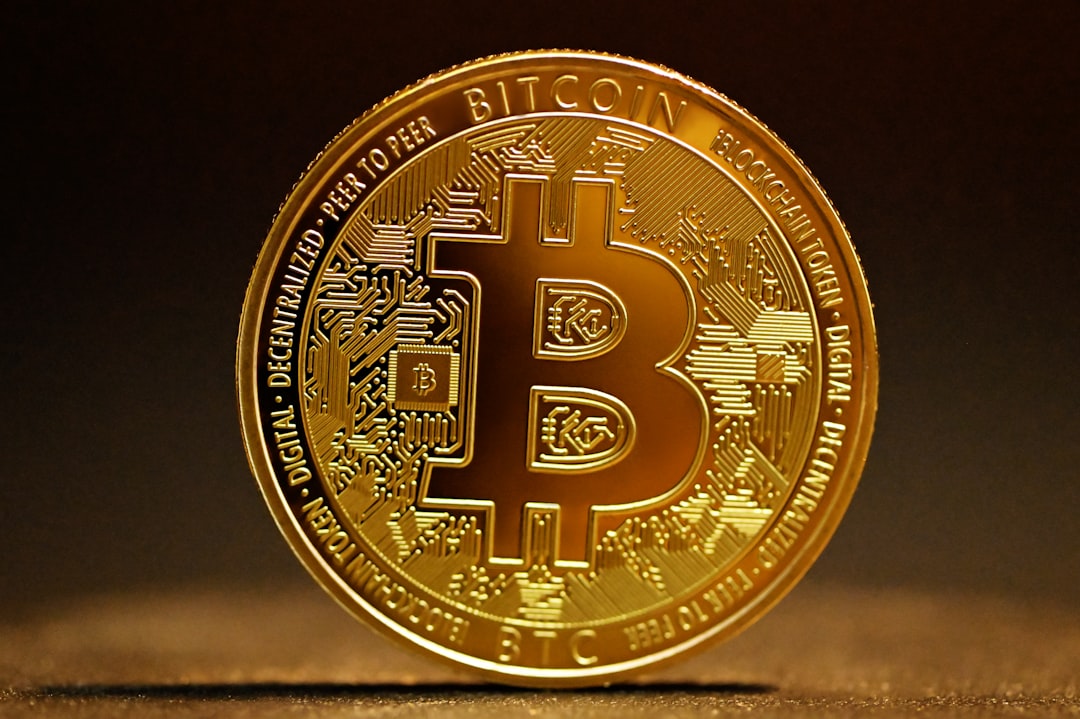
For years, Bitcoin reigned supreme as the undisputed king of digital assets – a peerless store of value, a hedge against inflation, and the foundational pillar of blockchain technology. Its minimalist design, focused on security and decentralization, deliberately eschewed the complex smart contracts that gave rise to the sprawling decentralized finance (DeFi) ecosystems on platforms like Ethereum. Yet, the sands are shifting. A new wave of innovation is transforming Bitcoin, pushing its boundaries beyond mere digital gold and into a vibrant hub for Bitcoin-native digital assets.
By 2026, the landscape of Bitcoin utility is poised for a dramatic expansion, driven by protocols like Ordinals, BRC-20, and the promising Runes. As this ecosystem matures, the need for robust, user-friendly wallets capable of navigating its intricacies becomes paramount. This article explores how Mew Wallet, historically a cornerstone of the Ethereum ecosystem, is strategically positioning itself to become a pivotal gateway to this exciting new frontier, offering unparalleled access to NFT marketplaces, DAO governance, and novel crypto investment opportunities on the Bitcoin blockchain.
The Resurgence of Bitcoin's Programmability
Bitcoin's journey into programmability isn't entirely new. Early experiments with "colored coins" in the mid-2010s demonstrated the potential for attaching metadata to Bitcoin transactions, effectively creating distinct digital assets. However, these early attempts faced scalability and complexity challenges. The real breakthrough came with critical upgrades to the Bitcoin protocol.
Taproot and SegWit: Laying the Foundation
The activation of Segregated Witness (SegWit) in 2017 and particularly the Taproot upgrade in 2021 were game-changers. SegWit optimized transaction data, reducing costs and increasing capacity, while Taproot enhanced privacy, flexibility, and efficiency for complex transactions. Critically, Taproot introduced a more flexible scripting language, enabling developers to embed arbitrary data more efficiently and discreetly within Bitcoin transactions. This seemingly minor technical tweak opened the floodgates for what we now recognize as Bitcoin-native digital assets.
"Taproot was not just an upgrade; it was a philosophical statement, reaffirming Bitcoin's potential for evolution without compromising its core tenets of security and decentralization. It quietly laid the groundwork for a renaissance of innovation."
— Satoshi's Journal, 2023
Ordinals Inscriptions: The Birth of Bitcoin NFTs
In early 2023, Casey Rodarmor launched the Ordinals protocol, introducing a novel method for inscribing arbitrary content onto individual satoshis – the smallest unit of Bitcoin. By assigning a unique identifier to each satoshi, Ordinals effectively allows for the creation of NFTs directly on the Bitcoin blockchain. These "inscriptions" can be images, text, audio, or even full video files, permanently etched into the Bitcoin ledger. This innovation immediately sparked a massive surge in on-chain activity and ignited the NFT marketplace on Bitcoin, proving that Bitcoin could indeed host non-fungible digital assets.
For more technical details on Ordinals, you can visit the official documentation: Ordinals Documentation.
BRC-20 Tokens: Fungible Assets on Bitcoin
Following the Ordinals phenomenon, the BRC-20 experimental token standard emerged, leveraging the Ordinals protocol to create fungible tokens on Bitcoin. While conceptually similar to Ethereum's ERC-20 standard, BRC-20 tokens operate differently. They are not managed by smart contracts but rather by inscribed JSON data that dictates deployment, minting, and transfer functions. Despite their initial clunkiness and high transaction costs, BRC-20 tokens demonstrated the immense demand for fungible digital assets on Bitcoin, leading to a significant spike in cryptocurrency trading volume for these new assets and providing valuable data for crypto market analysis.
The Promise of Runes Protocol
Recognizing the inefficiencies and bloat associated with BRC-20, Casey Rodarmor proposed the Runes Protocol. Designed to be a more efficient, UTXO-based fungible token standard, Runes aims to minimize on-chain footprint and improve user experience. By leveraging Bitcoin's native unspent transaction outputs (UTXOs), Runes promises a cleaner, more streamlined approach to creating and managing fungible digital assets on Bitcoin. The anticipated launch of Runes is expected to significantly enhance Bitcoin's capabilities for token economics and could pave the way for more sophisticated decentralized finance applications built directly on the Bitcoin base layer.
The Evolving Landscape of Digital Assets on Bitcoin
The innovations of Ordinals, BRC-20, and Runes are just the beginning. The expansion of Bitcoin's utility implies a broader spectrum of digital assets and use cases, challenging the long-held perception that complex Web3 development is exclusively an EVM-centric domain.
Beyond Tokens and NFTs: New Use Cases
- Decentralized Identity: Bitcoin-native identifiers could emerge, offering self-sovereign identity solutions.
- Data Storage and Timestamping: Leveraging Bitcoin's immutability for secure, verifiable data storage and timestamping services.
- Gaming Assets: Integration of Bitcoin-native NFTs into the burgeoning metaverse economy, offering true digital ownership.
- DAO Governance: The potential for DAO governance tokens issued on Bitcoin, enabling decentralized decision-making for Bitcoin-centric protocols.
- Stablecoin Adoption: While currently dominated by EVM chains, the rise of Bitcoin-native stablecoin adoption could offer a robust, censorship-resistant alternative for global payments.
Addressing Scalability with Layer 2 Solutions
The increased activity on the Bitcoin blockchain naturally raises concerns about scalability and transaction fees. While Ordinals and BRC-20 have demonstrated the demand, they have also highlighted the limitations of the base layer. This paves the way for advanced Layer 2 scaling solutions beyond the Lightning Network. Projects exploring sidechains, drivechains, or even innovative client-side validation techniques could emerge as critical infrastructure, enabling high-throughput decentralized finance and NFT marketplace activities without congesting the main chain.
Mew Wallet in 2026: A Gateway to Bitcoin Utility
MyEtherWallet (MEW) has long been synonymous with Ethereum, providing a secure, user-friendly interface for managing digital assets and interacting with dApps in the EVM ecosystem. However, as the crypto landscape evolves, so too must its key players. By 2026, we anticipate Mew Wallet will have undergone a significant transformation, embracing Bitcoin-native digital assets and positioning itself as a leading multi-chain wallet.
Key Features of Mew Wallet for Bitcoin in 2026
The envisioned Mew Wallet will offer a comprehensive suite of features tailored for the Bitcoin-native ecosystem:
- Seamless Support for Bitcoin-Native Assets: Full integration and display for Ordinals Inscriptions, BRC-20 tokens, and the newer Runes Protocol, allowing users to view, send, and receive all their Bitcoin digital assets in one intuitive interface.
- Integrated NFT Marketplace Access: Direct access to Bitcoin NFT marketplaces, enabling users to easily browse, buy, and sell Ordinals without leaving the wallet environment.
- Advanced Crypto Security: Implementing multi-signature capabilities, hardware wallet integration (Ledger, Trezor), and advanced fraud detection specific to Bitcoin transaction types, ensuring robust crypto security for all user holdings.
- DeFi and Yield Opportunities: Potential integration with Bitcoin-native decentralized finance protocols, offering opportunities for yield farming or liquidity mining using Bitcoin-native digital assets, possibly via cross-chain bridges or Bitcoin Layer 2 scaling solutions.
- User-Friendly Interface: Maintaining Mew Wallet’s reputation for simplicity, abstracting away the complexities of Bitcoin's scripting language and UTXO management for the average user.
- Compliance and Crypto