

The financial world is perpetually in flux, a dynamic interplay of macroeconomic forces, technological innovation, and evolving investor sentiment. At the heart of this intricate dance is the Federal Reserve, whose monetary policy decisions send ripples across traditional markets and increasingly, the burgeoning realm of digital assets. As we cast our gaze towards 2026, a fascinating convergence is taking shape: the Federal Reserve's rate shifts are poised to profoundly influence a rapidly maturing tokenized bond market. For investors and enthusiasts alike, understanding this landscape and equipping oneself with the right tools, such as the Enkrypt Wallet, will be paramount.
This article delves into the intricate relationship between Fed policy, the growth of tokenized bonds, and how digital asset wallets are becoming indispensable for navigating this exciting frontier. We'll explore the underlying DeFi infrastructure, the strategic considerations for crypto investment, and the critical role of Web3 development in shaping the financial future.
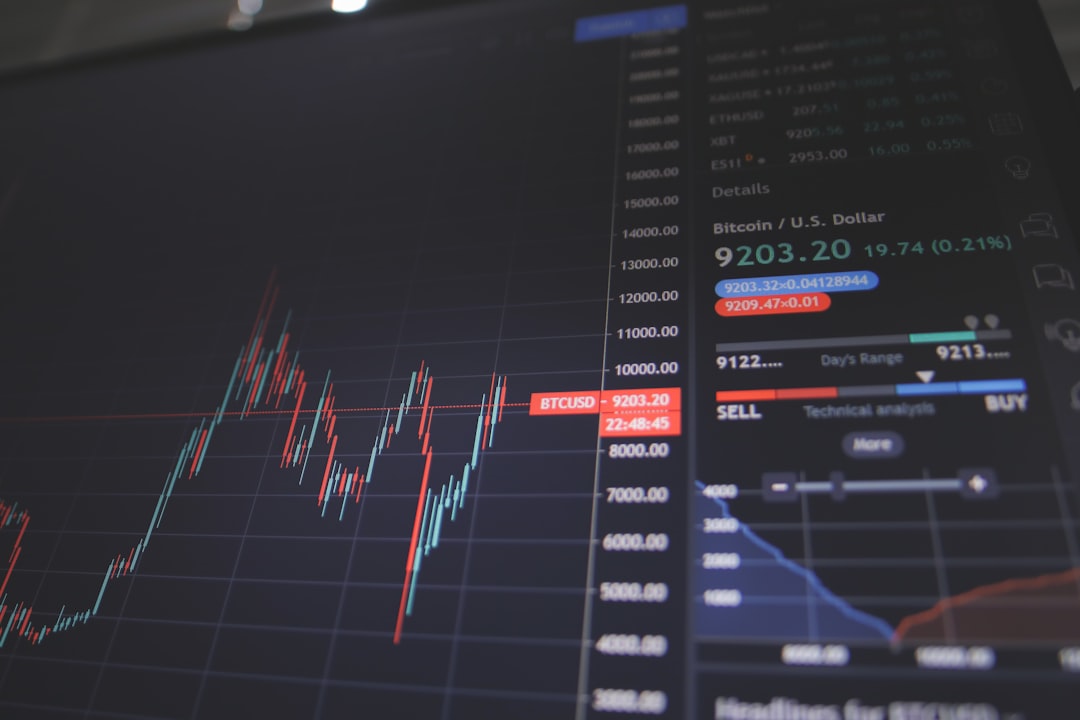
Understanding the Fed's Grip on Digital Assets
Interest Rate Dynamics and Their Ripple Effect
The Federal Reserve's primary mandate involves maintaining price stability and maximum employment. To achieve this, it wields powerful tools, primarily the federal funds rate. When the Fed raises interest rates, it generally makes borrowing more expensive, which can cool an overheating economy. Conversely, rate cuts aim to stimulate economic activity.
Traditionally, higher interest rates make fixed-income assets like government bonds more attractive, as they offer better yields. This can draw capital away from riskier assets, including equities and, increasingly, cryptocurrencies. The inverse is also true: lower rates can push investors towards higher-risk, higher-reward assets, often benefiting the crypto market.
For the nascent tokenized bond market, these dynamics are doubly significant. Tokenized bonds, as digital assets representing traditional debt instruments on a blockchain, are inherently tied to the performance and perception of their underlying traditional counterparts. Therefore, a shift in the Fed's stance on interest rates directly impacts the attractiveness and valuation of these tokenized offerings. Our ongoing crypto market analysis must therefore always incorporate macroeconomic factors.
"The Federal Reserve's actions are the gravitational pull of the global financial system. Ignoring its influence on digital assets, even those built on decentralized principles, is to misunderstand the interconnectedness of modern finance."
Dr. Evelyn Reed, Blockchain Economist
The Macroeconomic Backdrop for 2026
Projecting to 2026, the Fed's posture will likely be a response to prevailing inflation, employment figures, and global economic stability. Scenarios could range from continued hawkishness to combat persistent inflation, to a dovish pivot if economic growth falters. Each scenario presents unique challenges and opportunities for cryptocurrency trading and the tokenized bond market:
- High Rates (Tightening): May slow the growth of risky DeFi protocols, but could enhance the appeal of tokenized bonds offering competitive yields, especially if they provide a more accessible entry point than traditional bonds.
- Low Rates (Loosening): Could fuel a broader digital assets bull run, increasing liquidity and demand for all types of tokenized securities, including bonds, as investors seek higher returns.
The Ascent of Tokenized Bonds: A New Frontier
What Are Tokenized Bonds?
Tokenized bonds represent a revolutionary application of blockchain technology to traditional finance. In essence, a tokenized bond is a representation of a real-world bond (e.g., government bond, corporate bond) issued as a digital token on a blockchain. These tokens are typically fungible, meaning each unit is interchangeable, and ownership is recorded on a distributed ledger rather than a centralized registry.
The power of tokenization lies in its ability to bring the benefits of DeFi to traditional assets: fractionalization, enhanced liquidity, transparency, and programmable features via smart contracts. For instance, a smart contract can automate coupon payments or maturity redemptions, reducing intermediaries and operational costs. This innovation is a key pillar of Web3 development, promising to redefine how financial instruments are issued, traded, and managed.
Video: Fidelity Digital Assets - What are Digital Assets and Tokenized Securities?
Market Projections and Web3 Development
The potential market for tokenized bonds is enormous. Estimates from institutions like Deloitte suggest that by 2030, the value of tokenized illiquid assets alone could reach $16 trillion. This growth is driven by increasing institutional adoption, advancements in blockchain technology, and a clearer regulatory outlook.
The development of robust Web3 development infrastructure, including more efficient layer 2 scaling solutions and secure cross-chain bridges, is crucial for this expansion. These advancements enable faster, cheaper, and more seamless transactions, making tokenized bonds a viable alternative to traditional bond markets. The underlying token economics of these digital bonds will also be vital, as investors assess the value proposition, yield mechanisms, and redemption processes.
Here’s a glimpse at the projected growth of the tokenized securities market:
| Year | Market Size (Conservative) | Market Size (Optimistic) | Key Drivers |
|---|---|---|---|
| 2023 | 0.3 | 0.5 | Early adoption, pilot projects |
| 2024 | 0.8 | 1.5 | Increased institutional interest, regulatory clarity |
| 2025 | 2.5 | 4.0 | DeFi integration, enhanced liquidity |
| 2026 | 5.0 | 8.0 | Mainstream adoption, improved L2 scaling |
| 2027+ | 10.0+ | 15.0+ | Global standardization, widespread stablecoin adoption |
Navigating the Tokenized Landscape with Enkrypt Wallet
Choosing Your Digital Asset Custodian
As the tokenized