

Fractionalizing Digital Assets: NFTs Reshaping Ownership by 2026
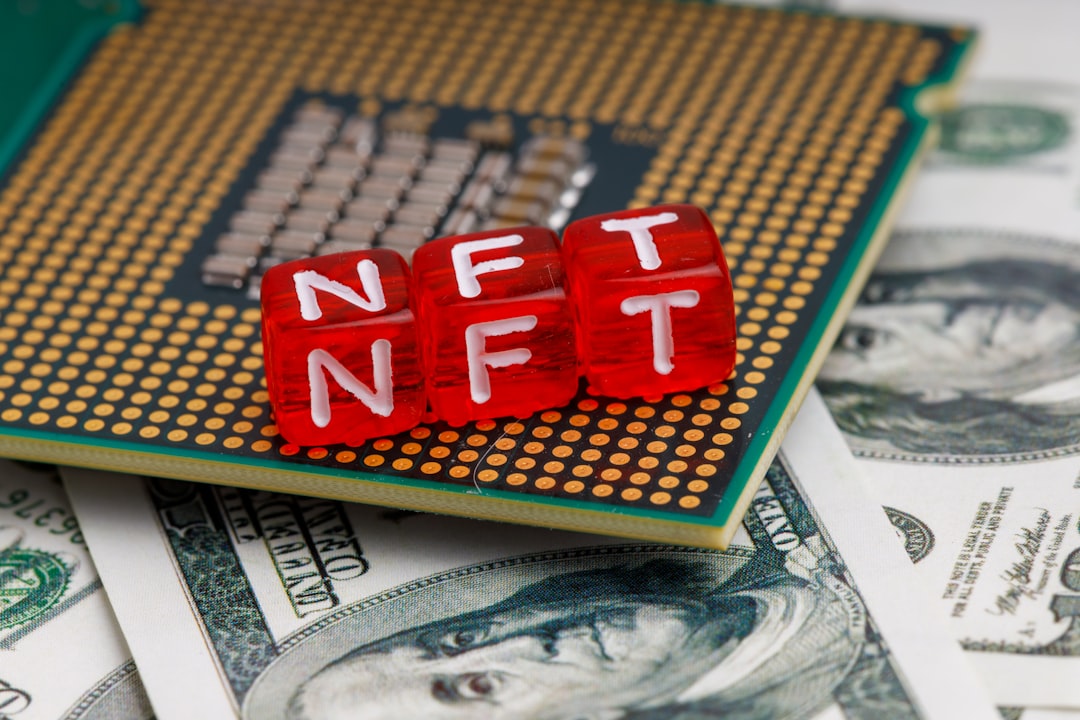
The world of NFTs is rapidly evolving, moving beyond simple digital collectibles to redefine the very concept of ownership. By 2026, fractionalized digital assets, powered by NFTs, are poised to become a cornerstone of the global economy, democratizing access to high-value assets and unlocking unprecedented liquidity. This shift promises to reshape crypto investment strategies and expand the reach of DeFi.
The Rise of Fractional Ownership: A Paradigm Shift
Historically, owning a piece of a multi-million dollar artwork, a luxury property, or even a rare digital collectible was the exclusive domain of the ultra-wealthy. Fractionalization, enabled by NFTs and underlying blockchain technology, shatters this barrier. It allows a single NFT representing a high-value asset to be divided into multiple, smaller tokens, each representing a percentage of ownership. These smaller tokens can then be bought and sold on an NFT marketplace, making previously inaccessible assets available to a broader audience.
This innovation isn't just about accessibility; it's about liquidity. Imagine a scenario where a rare Picasso painting, digitized and tokenized, can be traded in tiny fractions. This significantly reduces the entry barrier for investors and offers existing owners a novel way to unlock value without having to sell the entire asset. It’s a powerful application of smart contracts facilitating complex financial arrangements in a trustless environment.
"Fractional NFTs are not just about dividing an asset; they're about multiplying opportunities. They are the financial plumbing for a more equitable and liquid digital future, pushing the boundaries of what's possible in the metaverse economy."
— Dr. Anya Sharma, Lead Blockchain Economist
How Fractionalization Works
At its core, fractionalization involves wrapping a single NFT (representing the underlying asset) into a vault or a dedicated smart contract. This contract then issues a fungible token, often an ERC-20, that represents shares of the original NFT. These fungible tokens can be traded like any other cryptocurrency on various decentralized exchanges or even centralized platforms, provided crypto regulations permit.
Consider the process:
- An individual or entity owns a high-value NFT (e.g., a digital artwork, virtual land).
- They decide to fractionalize it using a platform or protocol designed for this purpose.
- The NFT is locked in a smart contract.
- New fungible tokens (e.g., F-NFTs) are minted, representing ownership shares of the locked NFT.
- These F-NFTs can then be listed and traded on various platforms, accessible via wallets like MetaMask wallet, Coinbase Wallet, MEW Wallet, or Enkrypt Wallet.
This mechanism not only enhances liquidity but also facilitates novel forms of DAO governance, where token holders can vote on the management or sale of the underlying asset.
Impact on Digital Assets and Crypto Investment
The implications of fractionalizing digital assets are profound, particularly for crypto market analysis and investment strategies:
- Democratization of Investment: Lower entry barriers allow a broader range of investors to participate in high-value asset markets, diversifying their portfolios beyond traditional cryptocurrency trading.
- Enhanced Liquidity: Fractional shares can be traded more easily than the entire NFT, reducing the holding period and increasing market efficiency. This also opens avenues for liquidity mining and yield farming with fractionalized assets.
- New Financial Products: Fractionalized NFTs can serve as collateral for loans in DeFi, be bundled into indices, or even be used in cross-chain bridges to operate across different blockchains, enhancing their utility.
- Risk Mitigation: Investors can diversify across multiple fractionalized assets rather than putting all their capital into a single, expensive NFT. However, robust crypto security measures remain paramount for these platforms.
As stablecoin adoption continues to grow, it will likely provide a stable base for pricing and trading these fractionalized assets, further integrating them into the broader DeFi ecosystem. The ongoing development of Layer 2 scaling solutions will also be crucial for handling the increased transaction volume efficiently and affordably.
The Road Ahead: Challenges and Opportunities by 2026
While the future of fractionalized NFTs looks promising, several challenges must be addressed for widespread adoption by 2026. Crypto regulations are a significant hurdle, as fractional tokens could be deemed securities in many jurisdictions, necessitating clearer legal frameworks. Ensuring robust crypto security against hacks and exploits for both the underlying NFT and the fractional tokens is also critical.
Moreover, the success hinges on continuous Web3 development to improve user experience, interoperability, and the underlying token economics of these platforms. Education will also play a key role in helping investors understand the nuances of this new asset class.
By 2026, we anticipate a mature ecosystem where fractionalized digital assets are a common feature of the NFT marketplace, integrated into various DeFi protocols, and even bridging into traditional finance. This evolution will not only reshape ownership but also unlock trillions in previously illiquid value, truly decentralizing wealth and opportunity.
References
- Blockchain.com. (2023). What is Fractional NFT? [Online]. Available at: blockchain.com (Example Reference)
- CoinDesk. (2023). The Future of NFT Ownership. [Online]. Available at: coindesk.com (Example Reference)