

Programmable NFT Bonds: Decentralized Finance's Debt Market Revolution by 2026
The world of NFTs is rapidly evolving beyond just digital art and collectibles. We are on the cusp of a profound transformation, where NFTs will serve as the backbone for complex financial instruments, specifically in the realm of debt. By 2026, programmable NFT bonds are poised to revolutionize DeFi's debt market, ushering in an era of unprecedented transparency, automation, and accessibility for a new class of digital assets.
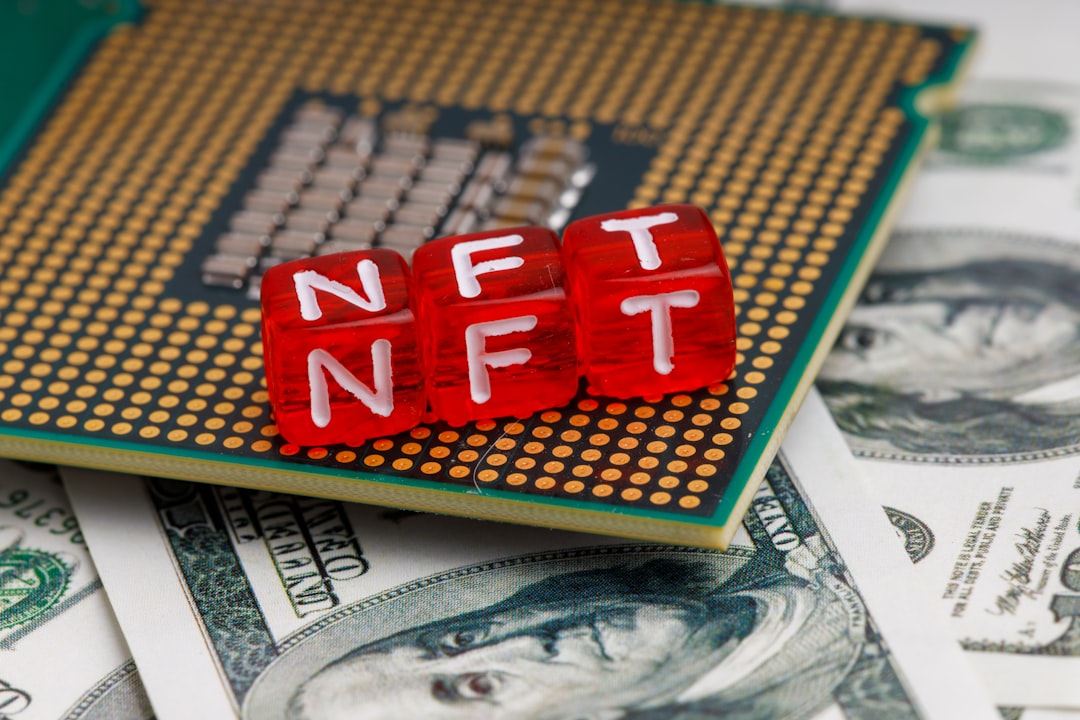
The Evolution of Debt: From Paper to Pixels
Traditional debt markets, for all their sophistication, are often characterized by intermediaries, high transaction costs, and opaque processes. While DeFi has made significant strides in disintermediating lending and borrowing through smart contracts, the underlying collateral and debt instruments themselves often lack the inherent programmability and composability that NFTs can provide. Imagine a bond not just as a static document, but as a living, breathing digital asset with built-in logic for interest payments, maturity dates, and collateral management.
What Exactly Are Programmable NFT Bonds?
At its core, a programmable NFT bond is a NFT that represents a debt instrument. Unlike traditional fungible tokens that represent identical units of value (like a stablecoin adoption or a share in a pool), each NFT bond is unique. This uniqueness allows it to embody specific terms and conditions, much like a traditional bond certificate, but with the added power of blockchain technology and smart contracts. These contracts automate the entire lifecycle of the bond, from issuance to redemption, including:
- Automated Interest Payments: Interest can be programmed to be paid out automatically to the NFT holder on specific dates.
- Collateral Management: Underlying collateral (other digital assets, real-world assets tokenized, even other NFTs) can be locked into the smart contract and automatically released or liquidated based on predefined conditions.
- Maturity and Redemption: The bond's maturity date and redemption terms are hard-coded into the smart contract, ensuring predictable execution.
- Transferability: The NFT itself can be traded on an NFT marketplace, transferring ownership of the debt instrument seamlessly.
"The true innovation of programmable NFT bonds lies in their ability to bridge the gap between illiquid assets and dynamic DeFi liquidity pools. They represent a fundamental shift in how we perceive and manage debt in the digital age."
— Dr. Anya Sharma, Lead Blockchain Economist at Genesis Labs
Driving the Debt Market Revolution
The implications of programmable NFT bonds for DeFi are vast. They promise to unlock new levels of efficiency and opportunity for both lenders and borrowers.
Enhanced Liquidity and Fractionalization
One of the biggest hurdles for certain digital assets or real-world assets (RWAs) entering DeFi has been their illiquidity. By tokenizing debt as an NFT, these assets can become more liquid, allowing investors to buy and sell portions of the debt on an NFT marketplace. Furthermore, the ability to fractionalize high-value NFT bonds means smaller investors can gain exposure to previously inaccessible debt instruments, democratizing crypto investment opportunities.
New Collateral Opportunities and Yield Farming Strategies
Programmable NFT bonds open the door for a wider range of collateral types. Instead of just traditional cryptocurrency trading pairs, we could see real estate deeds, intellectual property rights, or even future revenue streams from a metaverse economy project tokenized as NFTs and used as collateral for debt. This also creates novel yield farming strategies where users can earn interest on their NFT-backed loans or participate in liquidity mining pools built around these new debt instruments.
Transparency and Reduced Counterparty Risk
Every aspect of an NFT bond, from its terms to its payment history, is recorded on the blockchain technology. This inherent transparency drastically reduces information asymmetry and counterparty risk. With smart contracts automating execution, the need for trust in intermediaries diminishes, bolstering crypto security and confidence in the system.
Navigating the Path to 2026: Challenges and Opportunities
While the potential is immense, several challenges must be addressed for programmable NFT bonds to achieve widespread adoption by 2026. Robust Web3 development and collaborative efforts will be key.
- Crypto Regulations: Governments worldwide are grappling with how to classify and regulate digital assets. Clear regulatory frameworks are crucial for institutional adoption and mainstream acceptance.
- Scalability: High transaction fees and slow speeds on some base layers remain a concern. The continued development and adoption of layer 2 scaling solutions and efficient cross-chain bridges will be vital.
- User Experience: Wallets like MetaMask Wallet, Coinbase Wallet, MEW Wallet, and Enkrypt Wallet are making great strides, but simplifying the user experience for managing complex NFT financial instruments will be essential for broader appeal.
- Token Economics and DAO Governance: Designing sustainable token economics for platforms issuing NFT bonds, and establishing effective DAO governance models for their underlying protocols, will determine long-term viability.
- Crypto Market Analysis Tools: Sophisticated crypto market analysis tools will be needed to evaluate the risk and return of these novel debt instruments effectively.
The convergence of NFT technology and DeFi is not merely an incremental improvement; it's a paradigm shift. Programmable NFT bonds represent a powerful new primitive for the global debt market, promising a future where debt is more transparent, efficient, and accessible than ever before. As Web3 development continues to mature, we anticipate these innovative digital assets will play a central role in shaping the financial landscape of 2026 and beyond.