

EigenLayer's Impact: Restaking's New Edge in Cryptocurrency Trading by 2026
By: Senior Blockchain Correspondent
Category: Ethereum Ecosystem Updates
As we march toward 2026, the landscape of blockchain technology is undergoing a seismic shift, driven largely by the maturation of EigenLayer. What began as a novel concept in the decentralized finance (DeFi) space has evolved into a foundational pillar for the next generation of Web3 development. By leveraging the existing security of Ethereum's validator set, restaking is not just an incremental update; it is a total reimagining of how digital assets are secured and traded.
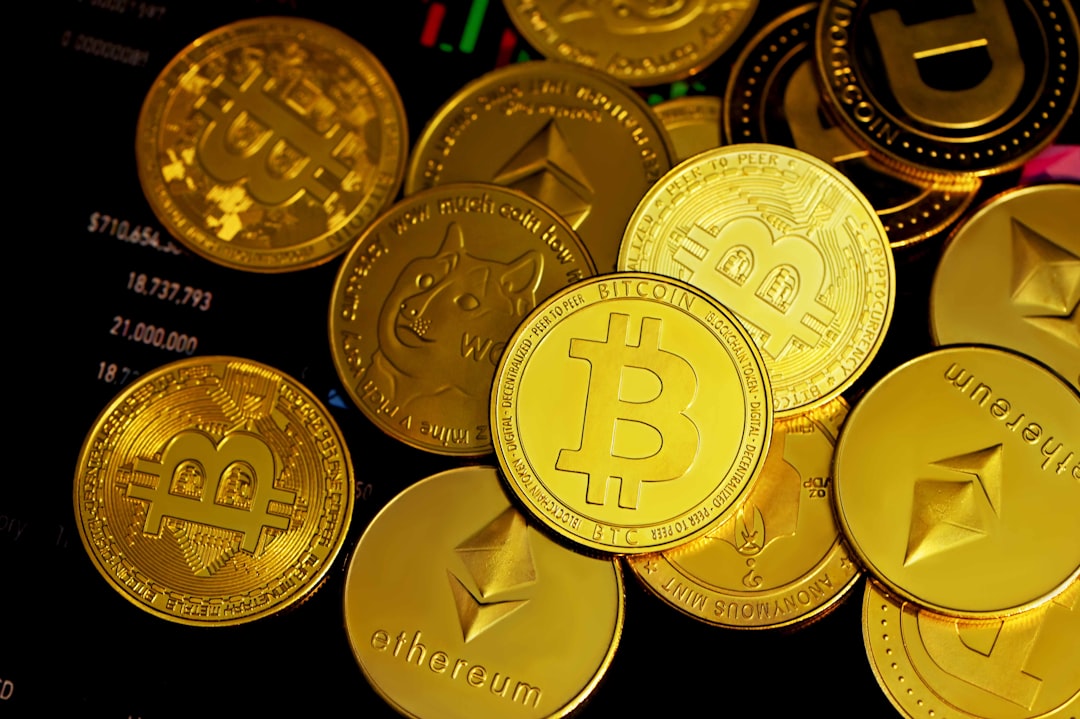
The Restaking Revolution: Redefining Crypto Security
At its core, EigenLayer introduces the concept of "pooled security." Traditionally, new protocols had to bootstrap their own trust networks, a process that was both capital-intensive and risky. With the introduction of smart contracts that allow for restaking, these protocols—known as Actively Validated Services (AVS)—can now borrow the economic security of Ethereum. This has profound implications for crypto security across the entire ecosystem.
For the average user holding assets in a Metamask wallet or a Coinbase wallet, this means the underlying infrastructure of the apps they use is becoming exponentially more robust. By 2026, the fragmentation of security that once plagued cross-chain bridges and oracles will likely be a thing of the past, replaced by a unified security layer that protects billions in crypto investment.
"Restaking represents a paradigm shift where Ethereum’s security is no longer confined to its own chain, but acts as a global security layer for the entire Web3 ecosystem." — Sreeram Kannan, Founder of EigenLayer
Impact on Cryptocurrency Trading and Market Dynamics
The ripple effects of restaking on cryptocurrency trading are significant. In the past, yield farming and liquidity mining were the primary drivers of capital movement. However, by 2026, professional traders and retail investors alike are shifting their strategies toward restaking yields. This shift is fundamentally altering token economics, as $ETH becomes not just a medium of exchange or a store of value, but a "productive asset" that secures multiple services simultaneously.
According to recent crypto market analysis, the emergence of Liquid Restaking Tokens (LRTs) has provided traders with unprecedented flexibility. These tokens allow users to maintain liquidity while their underlying assets are staked, enabling them to participate in the NFT marketplace or trade on decentralized exchanges without sacrificing their restaking rewards. This high-velocity capital environment is expected to boost stablecoin adoption, as these assets serve as the primary pairing for restaked liquidity.
The Role of Wallets in the Restaking Era
As restaking becomes a standard feature of the Ethereum ecosystem, the user experience is being streamlined through advanced wallet integrations. Whether you prefer the Enkrypt wallet for its multi-chain capabilities or the long-standing MEW wallet, developers are racing to integrate "one-click restaking" features. This accessibility is crucial for bringing the next wave of users into decentralized finance.
- MetaMask Wallet: Integration of institutional-grade staking dashboards.
- Coinbase Wallet: Seamless onboarding for retail users looking for restaking yields.
- Enkrypt Wallet: Enhanced support for layer 2 scaling solutions that utilize EigenLayer.
- MEW Wallet: Open-source focus on transparent DAO governance participation for restakers.
Scalability and the Metaverse Economy
One of the most exciting aspects of EigenLayer’s trajectory is its support for layer 2 scaling. By providing a cheaper, more reliable data availability layer, restaking is lowering the cost of transactions to near zero. This is the "missing link" for the metaverse economy, where high-frequency micro-transactions for virtual goods and services have previously been hindered by high gas fees.
By 2026, we expect to see Web3 development focus on immersive environments where digital assets move seamlessly between different virtual worlds, secured by the collective power of restaked Ethereum. This interoperability is essential for the long-term viability of any NFT marketplace aiming for mainstream success.
Regulatory Landscapes and DAO Governance
As restaking grows, it inevitably catches the eye of regulators. Navigating crypto regulations will be the biggest challenge for the EigenLayer ecosystem over the next two years. The industry is moving toward more transparent DAO governance models to ensure that restaking protocols remain decentralized and resilient against censorship. This self-regulation is vital to maintaining investor confidence and ensuring the longevity of the blockchain technology.
| Feature | 2024 Status | 2026 Projection |
|---|---|---|
| Total Value Locked (TVL) | Early Adoption Phase | Dominant DeFi Vertical |
| User Interface | Complex/Technical | Simplified/One-click |
| Regulatory Status | Under Review | Standardized Frameworks |
| Cross-chain Bridges | Vulnerable to Hacks | EigenLayer-Secured (High) |
Conclusion: The Path Ahead
By 2026, the distinction between "staking" and "restaking" may very well disappear, as the latter becomes the industry standard for securing decentralized finance. For those involved in cryptocurrency trading, the message is clear: understanding the mechanics of EigenLayer is no longer optional—it is a prerequisite for successful crypto investment. As stablecoin adoption grows and the metaverse economy matures, the security provided by restaking will be the bedrock upon which the future of finance is built.